
Health
Christina Applegate undergoing tests for other conditions following MS misdiagnosis
By Nick Martinez
Advertisement · Why this ad?
Nick Martinez is a public health reporter who earned his Master’s in Public Health from the University of Chicago. Having previously worked with ProPublica, he focuses on health equity issues affecting the Chicago community.
More from Nick →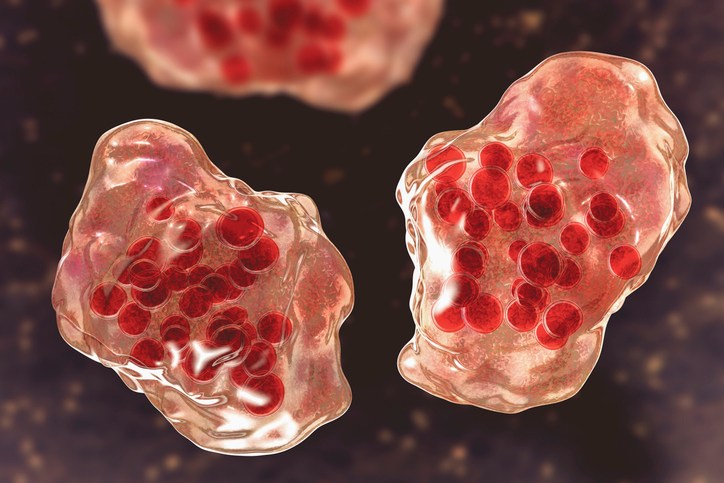
In a heartbreaking reminder of the persistent threat of preventable diseases, Wisconsin has reported its first child death from measles since 1990. The news has sent shockwaves through communities, especially as many families grapple with the resurgence of vaccine-preventable illnesses in recent years. For a child to succumb to a disease that was nearly eradicated decades ago underscores the critical importance of vaccination and community health vigilance.
The Wisconsin Department of Health Services confirmed the tragic death of a young child due to measles, marking the first such fatality in the state in over 30 years. The department did not specify the location of the incident or provide additional details, citing privacy concerns for the grieving family. This silence leaves many community members with questions about how the disease spread and what measures are being taken to prevent future tragedies.
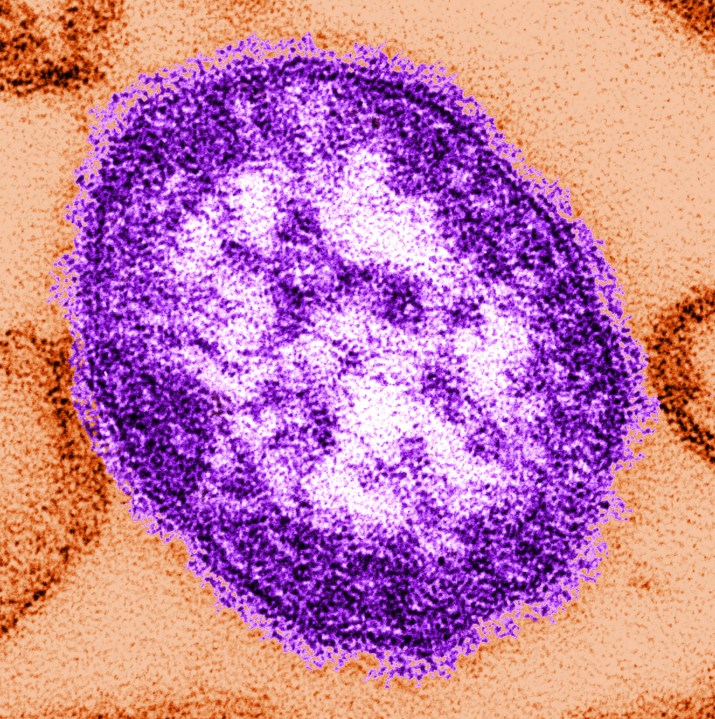
Measles, a highly contagious viral disease, can cause severe complications, especially in young children. The Centers for Disease Control and Prevention (CDC) reports that before the vaccine was introduced in 1963, measles caused an estimated 4 million cases and 400 deaths annually in the United States. Despite the availability of a safe and effective vaccine, recent years have seen a disturbing rise in cases nationwide, often linked to declining vaccination rates in certain communities.
The news of the child's death has reignited debates about vaccine hesitancy and public health policies across Wisconsin and neighboring states. Local health officials and community leaders emphasize that vaccination is a proven method to prevent measles and protect vulnerable populations, including infants and immunocompromised individuals. Many residents are calling for renewed efforts to promote immunizations and dispel misinformation that has led some families to refuse vaccines.
Dr. Lisa Hernandez, a pediatrician in Milwaukee, expressed deep concern over the tragedy. “Every child’s life is precious, and this heartbreaking event highlights the importance of ensuring every child is vaccinated,” she said. “We must work together to rebuild trust in vaccines and protect our communities from preventable diseases.” Parents and caregivers are reminded that the MMR vaccine, which protects against measles, mumps, and rubella, is safe and highly effective when administered according to recommended schedules.
Wisconsin, a state with a diverse population of over 5.8 million residents, has historically seen relatively high vaccination rates, especially in urban centers like Milwaukee, Madison, and Green Bay. However, pockets of vaccine hesitancy have been growing, particularly in some rural and suburban areas. These communities often face unique challenges, including limited access to healthcare facilities, misinformation spread through social media, and cultural beliefs that influence health decisions.
In Milwaukee County, where the city’s vibrant neighborhoods are home to a mix of longstanding residents and newcomers, vaccination rates have fluctuated over the years. According to recent data from the Wisconsin Department of Health Services, some districts report vaccination coverage below the 90% threshold recommended to maintain herd immunity. This decline has been linked to increased susceptibility to outbreaks of preventable diseases like measles, mumps, and whooping cough.
The child's death has prompted local health departments to re-evaluate their outreach strategies. Milwaukee’s health officials are now planning targeted campaigns to educate communities about the importance of immunizations, especially in neighborhoods where vaccine uptake remains low. Community organizations, faith leaders, and schools are being mobilized to promote accurate information and facilitate access to vaccines.
Many community leaders have stepped forward to advocate for vaccination. Reverend Samuel Carter of the First Baptist Church in Milwaukee emphasized the moral responsibility to protect children. “Our faith teaches us to care for our neighbors and children,” he said. “Getting vaccinated is a way to show love and responsibility to our community.”
Local health clinics are also expanding their hours and outreach efforts to reach underserved populations. Mobile vaccination units are being deployed to rural areas and neighborhoods with historically low vaccination rates. These efforts aim to remove barriers such as transportation and language differences that can prevent families from accessing immunizations.
The death of this child underscores the fragile nature of herd immunity and the importance of community-wide participation in vaccination efforts. For Wisconsin, a state with a mix of urban and rural populations, maintaining high immunization rates is vital to preventing outbreaks that can quickly become public health crises. The incident has also heightened awareness of the risks faced by infants under the age of one, who are too young to receive the MMR vaccine themselves but rely on community immunity for protection.
Parents like Maria Lopez, a mother of three from Green Bay, expressed concern about the resurgence of preventable diseases. “I always make sure my kids are vaccinated,” she said. “Seeing what happened in Wisconsin makes me even more determined to keep up with their shots. It’s about protecting everyone around us.”
The tragedy has also sparked discussions about vaccine education in schools and community centers. Wisconsin’s Department of Public Instruction is considering new policies to promote vaccine literacy, aiming to counter misinformation and build trust in science-based health practices.
Health officials in Wisconsin are now focusing on preventing further cases through increased vaccination campaigns and public education efforts. The state is also reviewing its immunization policies to identify gaps and improve outreach, especially in areas with historically low vaccination rates. Experts warn that the resurgence of measles could threaten herd immunity, which requires approximately 95% of the population to be immunized to prevent outbreaks.
While the specific circumstances surrounding this child's death remain private, the incident serves as a stark reminder of the importance of community responsibility in disease prevention. Faithful families and committed parents who prioritize their children's health play a vital role in safeguarding their communities. As Wisconsin mourns this loss, many hope it will inspire renewed commitment to vaccination and the protection of all children from preventable tragedies.
Looking ahead, health agencies are urging families to consult with their healthcare providers about the MMR vaccine and to stay informed through trusted sources such as the CDC and state health departments. Building a culture of health and faith-based community support remains essential in combating vaccine-preventable diseases and ensuring that no child suffers a preventable death again.
By Nick Martinez
By Nick Martinez
By Nick Martinez

By Nick Martinez